





Youth Well-being in the Digital Age | Highlights from the 2nd UWC Flourishing Conference
Issue date:2026-03-17
On 7–8 March 2026, UWC Changshu China hosted the 2nd Flourishing in International Education Conference, bringing together more than 200 educators, practitioners, researchers, school leaders and parents from across China.
Under the theme "Youth Mental Health and Flourishing in the Digital Age," the conference explored the challenges young people face today and the strategies schools can use to support their development.
Through keynote speeches, panel discussions, and interactive workshops, participants examined how education can nurture resilient, purposeful, and flourishing young people in an increasingly digital world.
▲Conference Video Recap
Day 1
Keynote by Professor Kaiping Peng
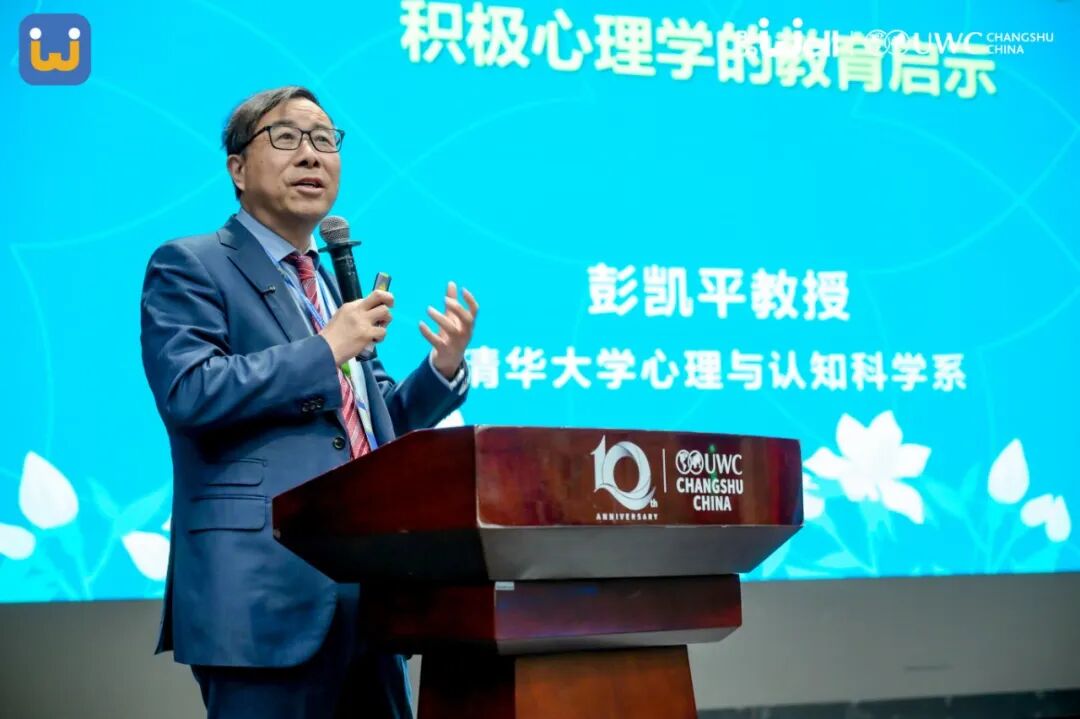
The conference opened with a keynote by Professor Kaiping Peng of Tsinghua University, who posed a central question: how can we protect what makes us uniquely human in the age of AI?
Professor Peng noted that artificial intelligence is rapidly replacing repetitive and rule-based work, while social media and digital technologies reshape young people's minds, emotions, and sense of meaning. Many young people now struggle with low motivation for learning, declining interest in social interaction, and a diminished sense of meaning in life.
He argued that traditional psychological approaches focused on treatment and control are no longer sufficient. Instead, education should cultivate the positive strengths inherent in human nature.
Professor Peng identified six core human advantages for the AI era: empathy, aesthetic appreciation, resilience, creativity, a sense of meaning, and the capacity for happiness.
He also introduced the concept of "psychological autonomy," highlighting the importance of protecting young people's ability to think independently, make choices, regulate emotions, and maintain healthy mental boundaries in a world shaped by data and algorithms.
Drawing connections between the philosophy of mind developed by Yangming Wang and modern neuroscience, he presented the "Eight Practices" for emotional regulation—such as breathing, massaging, scent, art, movement, mindfulness, and flow. These practices activate key neurological pathways and help individuals rebuild positive mind–body experiences through genuine connection.
Professor Peng concluded by encouraging educators to reconnect young people with nature, physical experience, and meaningful relationships, while cultivating a growth mindset and whole-person development.
Panel Discussion 1
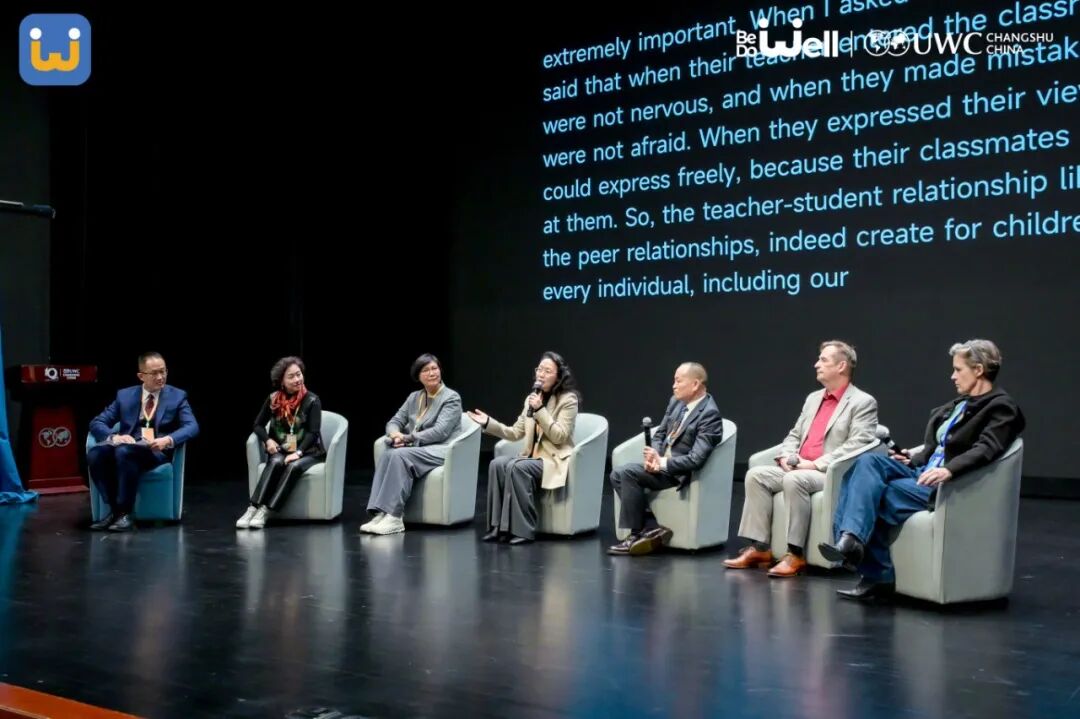
Building on the keynote, the first panel examined how schools can support student well-being under intense academic pressure.
Panelists discussed academic stress and mental health, the development of school-based support systems, and the growing influence of AI and social media on young people.
Several key insights emerged:
- Well-being and academic success should not compete. Student well-being must remain the priority.
- In the AI era, educators must protect students' agency, curiosity, and intrinsic motivation.
- Exams and grades represent a "finite game," while self-discovery, interests, and lifelong learning form an "infinite game." Education should help students navigate both.
Day 2
Keynote by Professor Kaiwen Xu
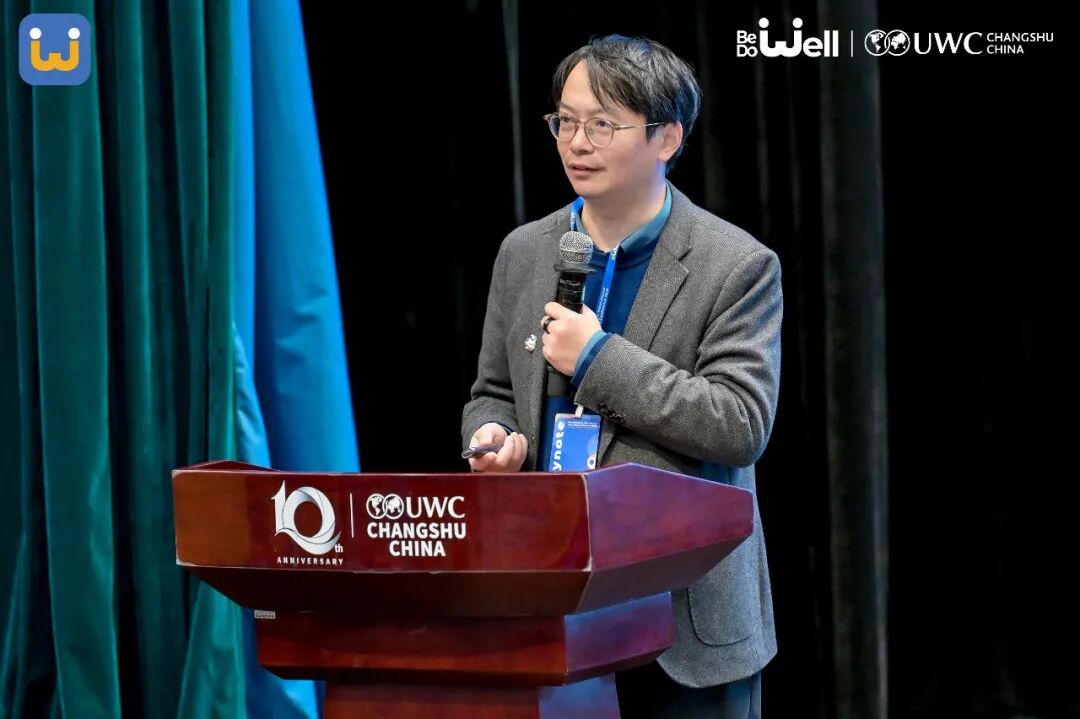
On the second day, Professor Kaiwen Xu, PhD in Clinical Psychology from Peking University and Founder of Daru Clinic, examined what he calls the "spiritual crisis" affecting many young people today.
He discussed "Empty Heart Syndrome," characterized by unclear values and a diminished sense of life purpose among adolescents and university students. According to his team's 10-year study of 4.53 million university students, nearly half show indicators of this condition.
Professor Xu emphasized that education should not produce "test-taking machines" or measure success solely through elite university admissions. Instead, its deeper mission is to cultivate individuals who seek truth, pursue goodness, and appreciate beauty.
He also emphasized that education loses credibility when adults fail to model the values they promote. Without authentic examples of integrity and purpose, moral instruction rarely resonates with young people.
Addressing this challenge requires more than psychological interventions. It requires awakening what Professor Xu described as the innate moral awareness within every individual, that is, our capacity for compassion, conscience, and moral judgment.
He concluded that nurturing conscience and moral responsibility can help young people navigate uncertainty and rediscover meaning in their lives.
Panel Discussion 2
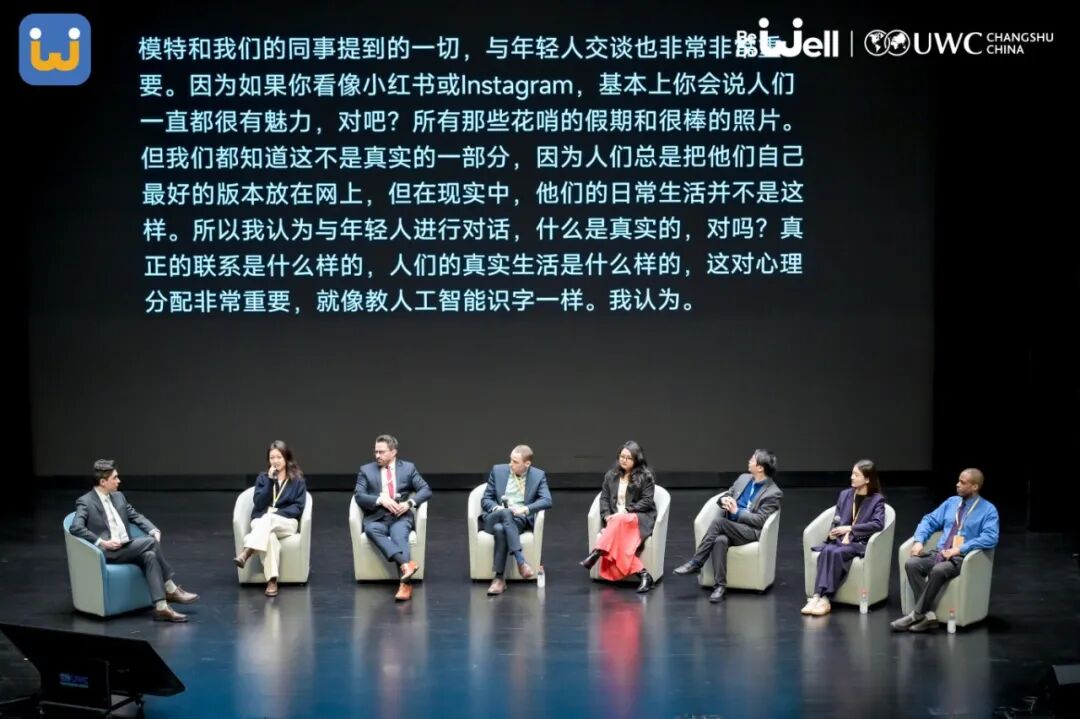
The second panel brought together experts in mental health and education to discuss digital well-being in the age of artificial intelligence and social media.
Drawing on current technological trends, the panelists agreed that technological development is irreversible. Rather than rejecting technology, educators should adopt a balanced approach, prioritizing early prevention and guiding young people to develop strong digital well-being skills.
The discussion identified four key principles:
- Define technological boundaries: AI must remain a tool that serves humanity within clear ethical frameworks.
- Protect human connection: Real relationships and face-to-face interaction remain essential for healthy development.
- Lead by example: Educators and parents should model balanced technology use.
- Prioritize physical well-being: Exercise, healthy nutrition, and sufficient sleep support brain health and reduce digital dependence.
29 Parallel Workshops
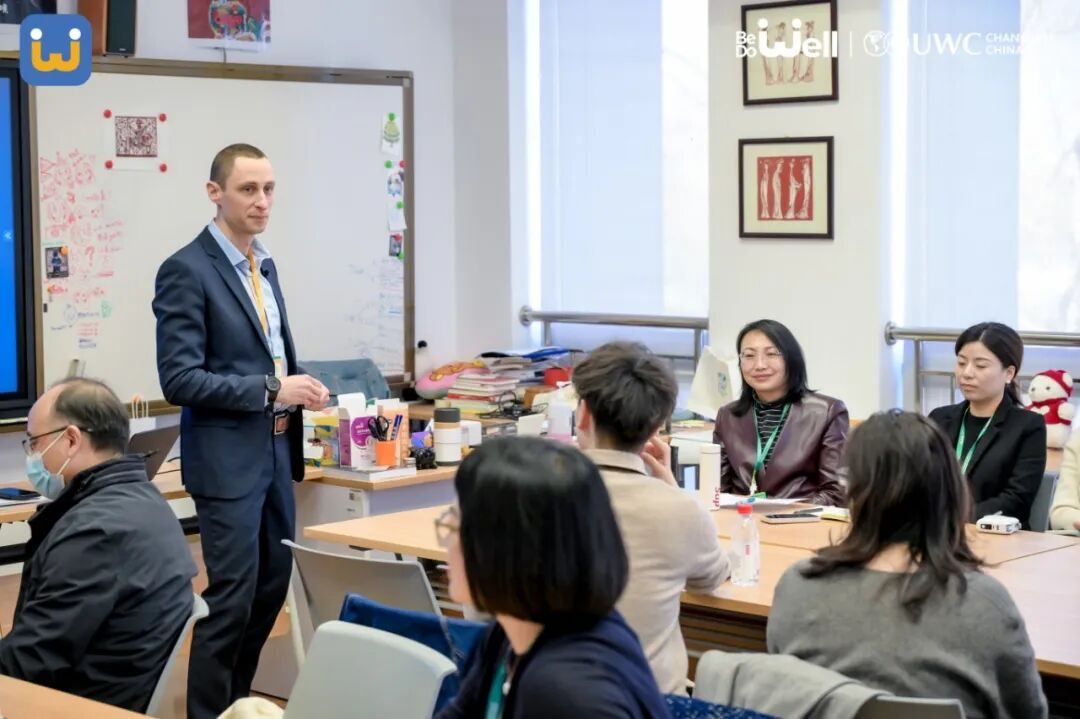


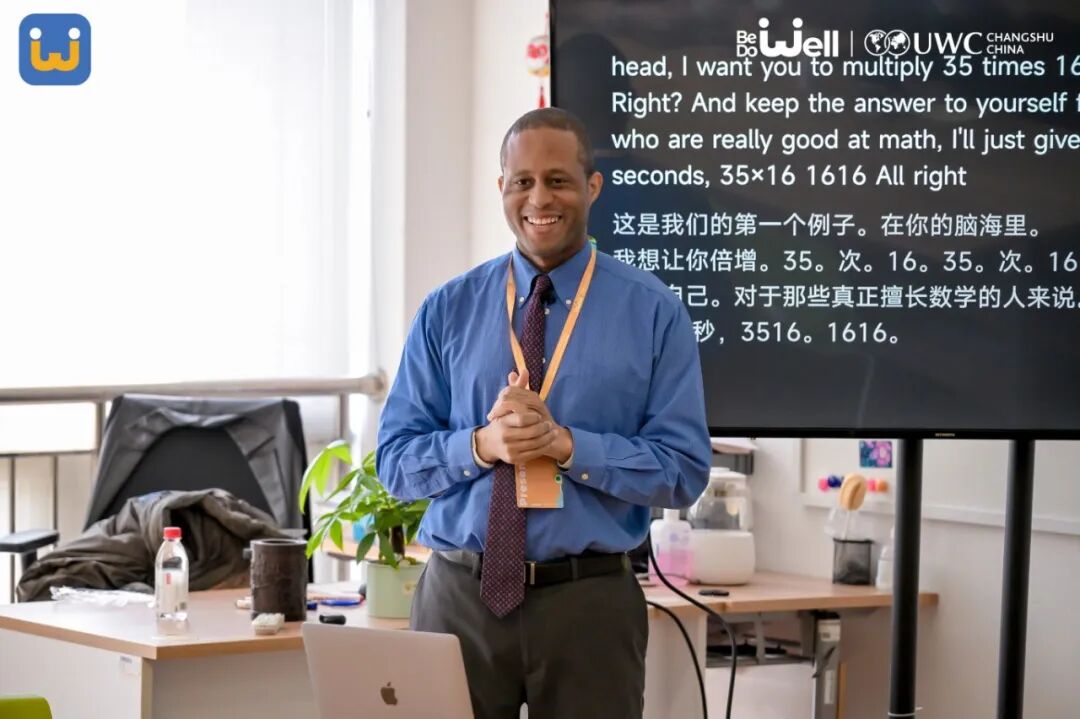
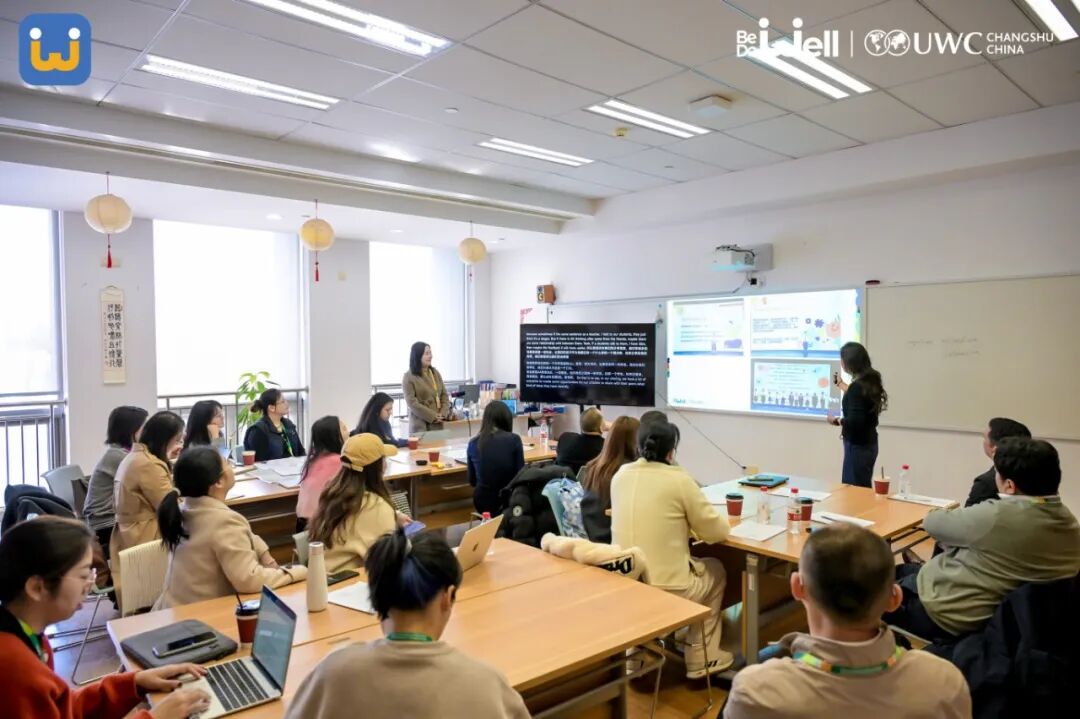
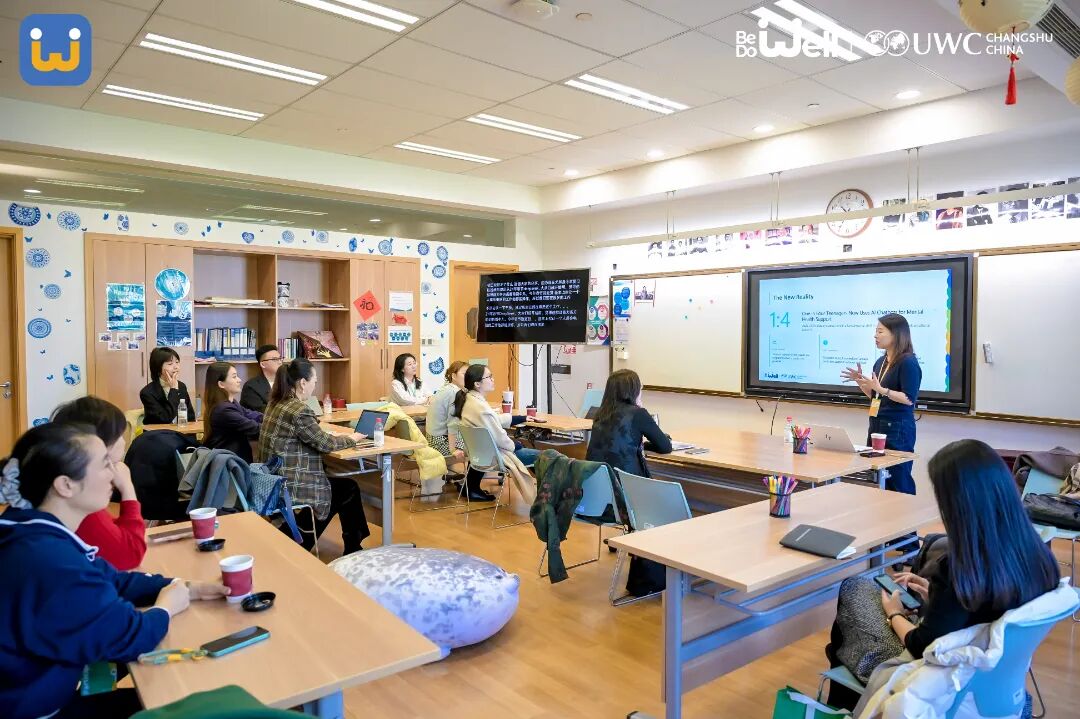
The conference also hosted 29 parallel workshops exploring practical strategies in several areas:
School Culture and Systemic Support
Building inclusive school environments and strong student support systems.
Social and Emotional Learning
Integrating SEL into curricula and strengthening parent-child communication.
Student Mental Health Interventions
Introducing rapid interventions, strategies for school refusal, and neuroscience-informed self-regulation.
AI and Student Well-being
Exploring responsible uses of AI to support teaching and learning.
Family–School–Community Collaboration
Supporting neurodiverse learners and strengthening collaboration in adolescent mental health care.
Together, these workshops combined innovative approaches with practical strategies, equipping educators with actionable tools to support student well-being.
Looking Ahead
The conference created a dynamic space for dialogue, reflection, and collaboration among educators and mental health professionals committed to supporting young people.
By bringing together diverse perspectives, the event deepened understanding of flourishing education and helped translate ideas into practice.
Looking ahead, UWC Changshu China will continue to promote international and cross-disciplinary collaboration in youth well-being, mental health education, and educational innovation.
Together, we can create environments where every young person grows with confidence, purpose, and hope, and is supported to build a meaningful future.
-End-