




UWC Changshu × StarCharge Zero-Carbon Future Design Competition Concludes Successfully
Issue date:2026-06-08
A Partnership for a More Sustainable Future
Since opening in 2015, UWC Changshu has educated more than 3,000 students from over 130 countries and regions. Guided by the UWC mission to make education a force to unite people, nations and cultures for peace and a sustainable future, the school integrates sustainability into both learning and daily life.
As a leading company in Asia's digital energy sector, StarCharge offers a vivid example of green transformation through forward-looking technological innovation, integrating intelligent charging networks, scenario-based microgrids and virtual power systems.
The partnership began in early 2025, when Dr Mark Jiapeng Wang and Head of School Simon Head led students and staff on a study visit to StarCharge. Participants explored the company's clean-energy technologies and systems-based approach to energy management. Inspired by the visit, UWC Changshu and StarCharge launched the Zero-Carbon Future Design Challenge, bringing together UWC students' creativity and social responsibility with StarCharge's technological expertise, and linking classroom learning with real-world sustainability challenges.

Student Creativity Meets Real-World Challenges
Under the theme "Symbiosis with Nature · Zero-Carbon Future," students designed products addressing at least one of three carbon-reduction dimensions: zero-carbon usage, zero-carbon recycling or microgrid characteristics. Each project also incorporated cultural elements and remained affordable, with a retail price below RMB 2,000.
Students presented a wide range of ideas, from new possibilities for green technology to practical ways of encouraging sustainable habits in everyday life. More than 60 students received awards. Foundation Programme student Yuxin Jin won the Grand Prize with Eco Charge Hub.
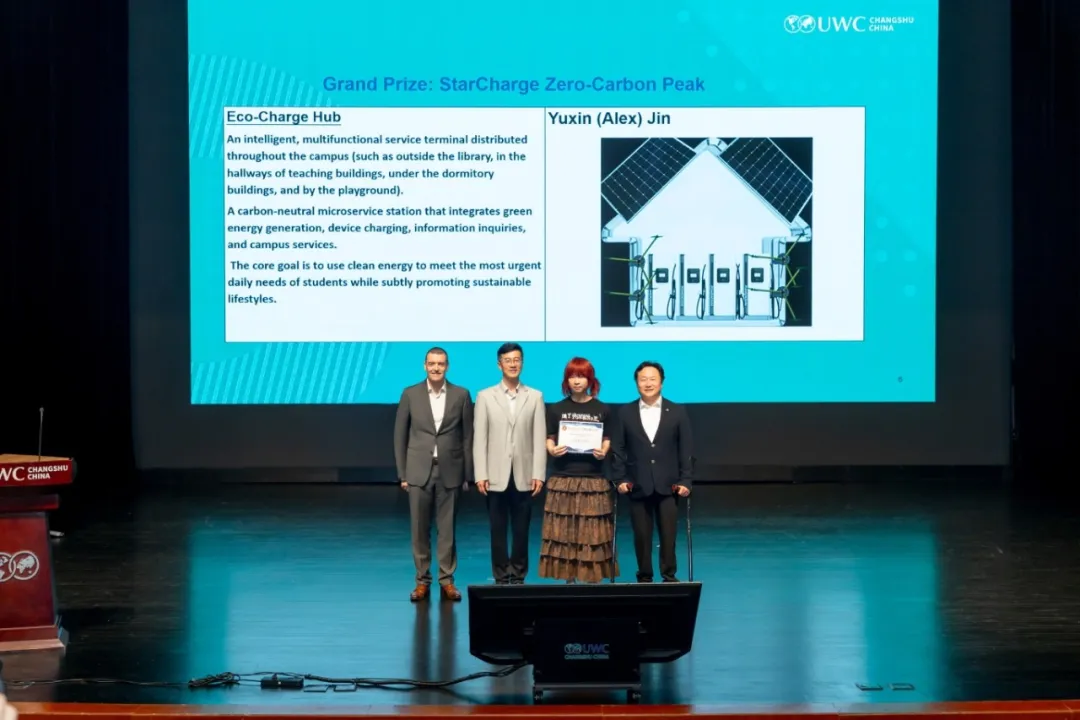
Her design proposes a network of intelligent, multifunctional service terminals around the library, academic buildings, residences and sports fields. The system combines renewable energy generation, device charging, information access and campus services within a carbon-neutral micro-service station. By meeting students' daily needs through clean energy, the project also promotes more sustainable lifestyles across campus.
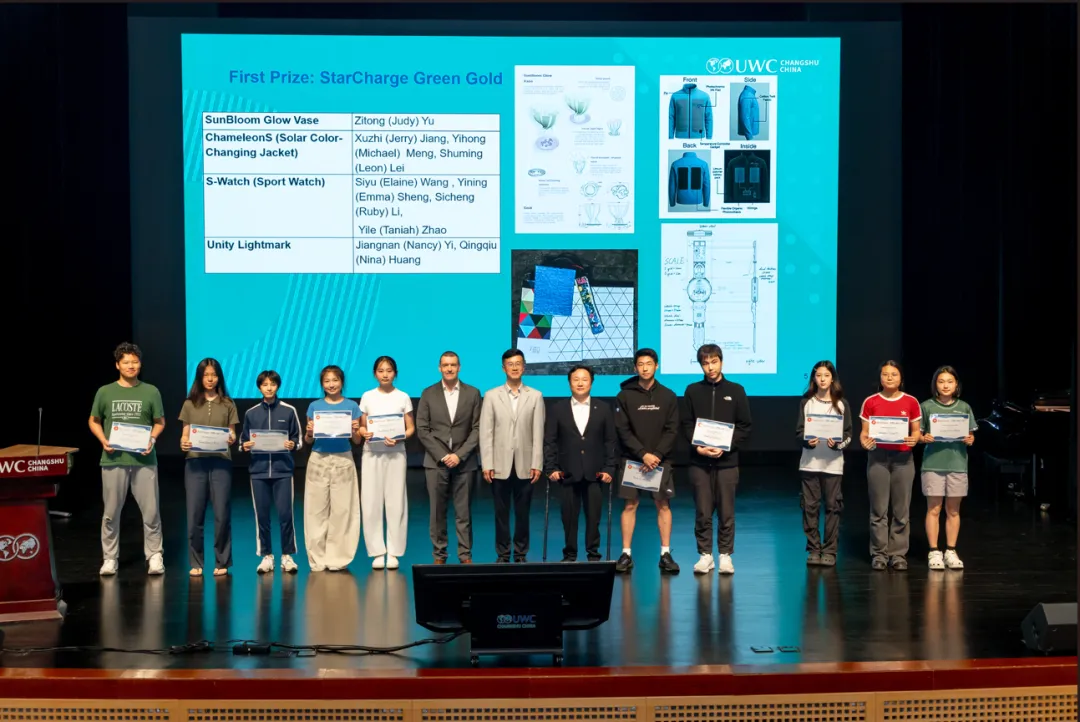
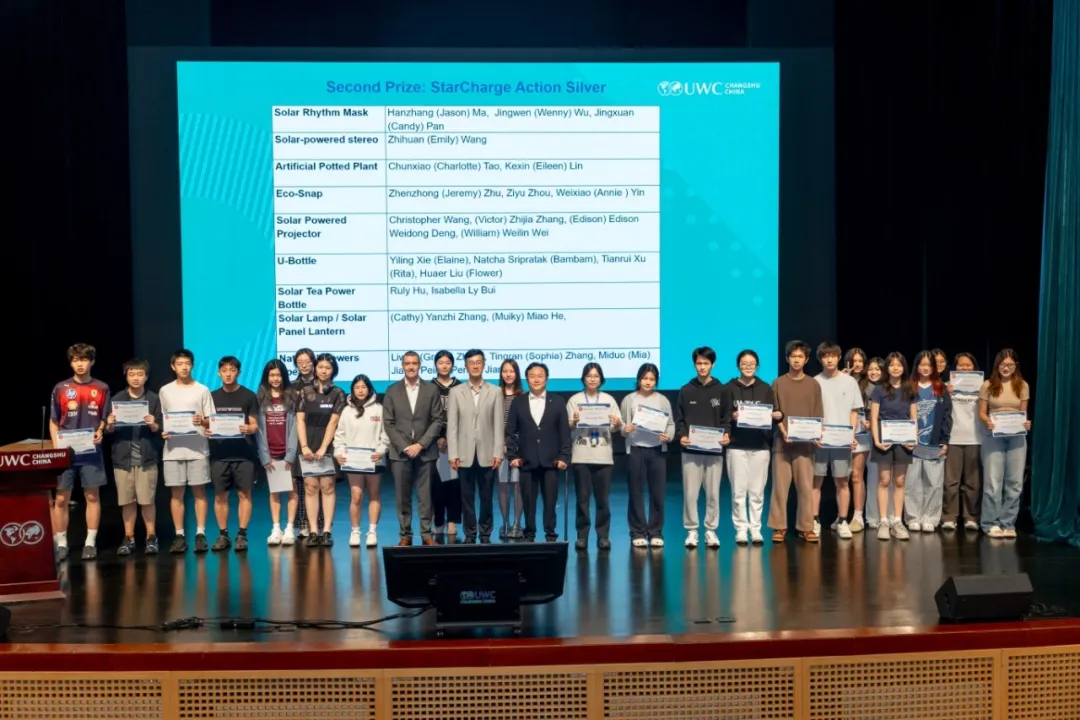

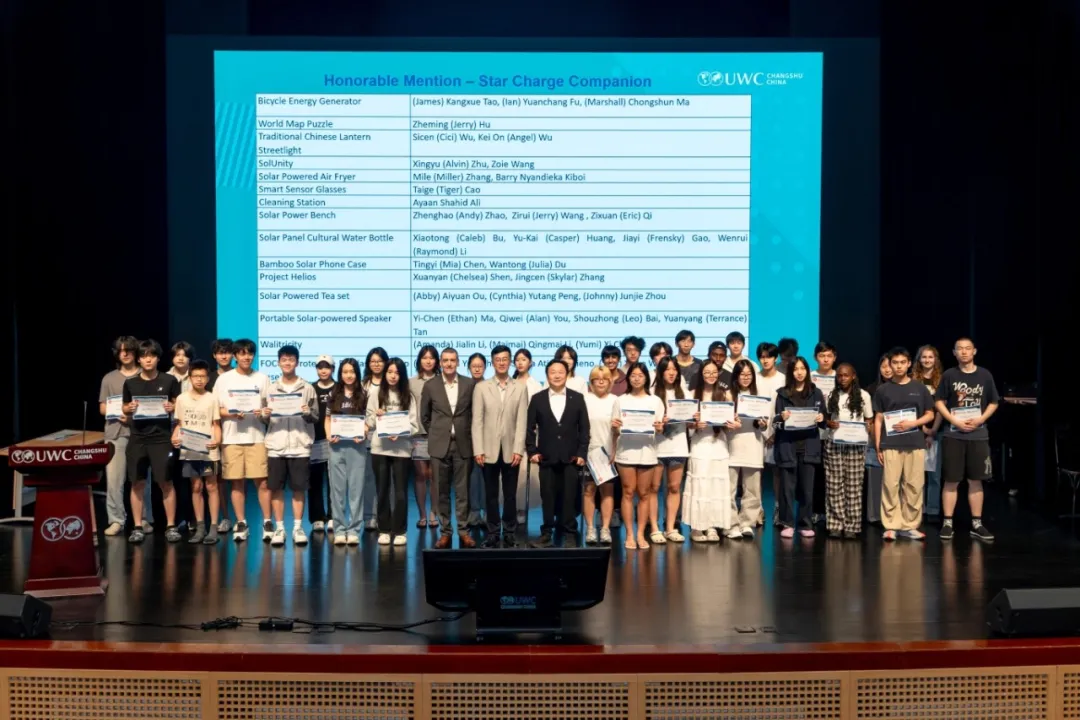
The competition also recognised four first-prize teams, nine second-prize teams, and several third-prize and honourable mention teams. Students developed bicycle energy generators, traditional Chinese lantern streetlights, bamboo solar phone cases, a solar-powered projector, a protective bioplastic laptop case and many other solutions. Together, these projects explored sustainability across campus life, transportation and household applications.

Encouraging the Next Generation
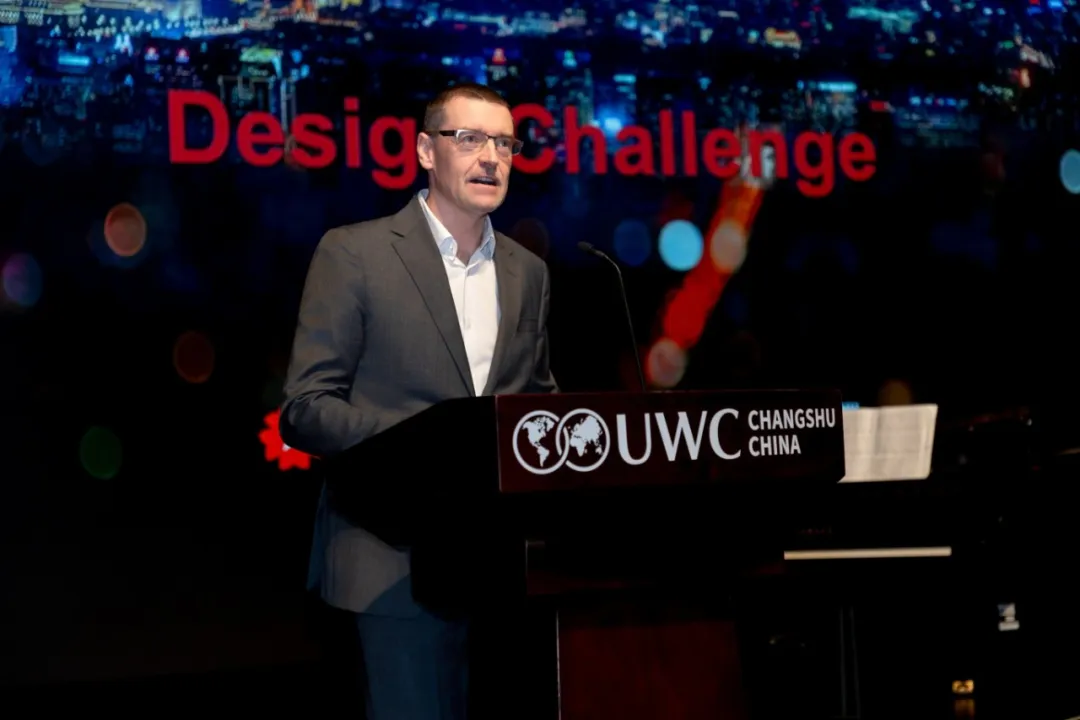
During the award ceremony, Head of School Simon Head thanked StarCharge for partnering with UWC Changshu and giving students opportunities to engage with real-world challenges beyond the classroom. He emphasised that good design goes beyond appearance to consider materials, systems, use and impact, while meaningful innovation requires judgement, rigour and empathy. He added that the competition closely aligned with UWC's educational purpose by helping students recognise that knowledge carries responsibility, encouraging them to imagine a different future and develop the discipline and care needed to help build it.
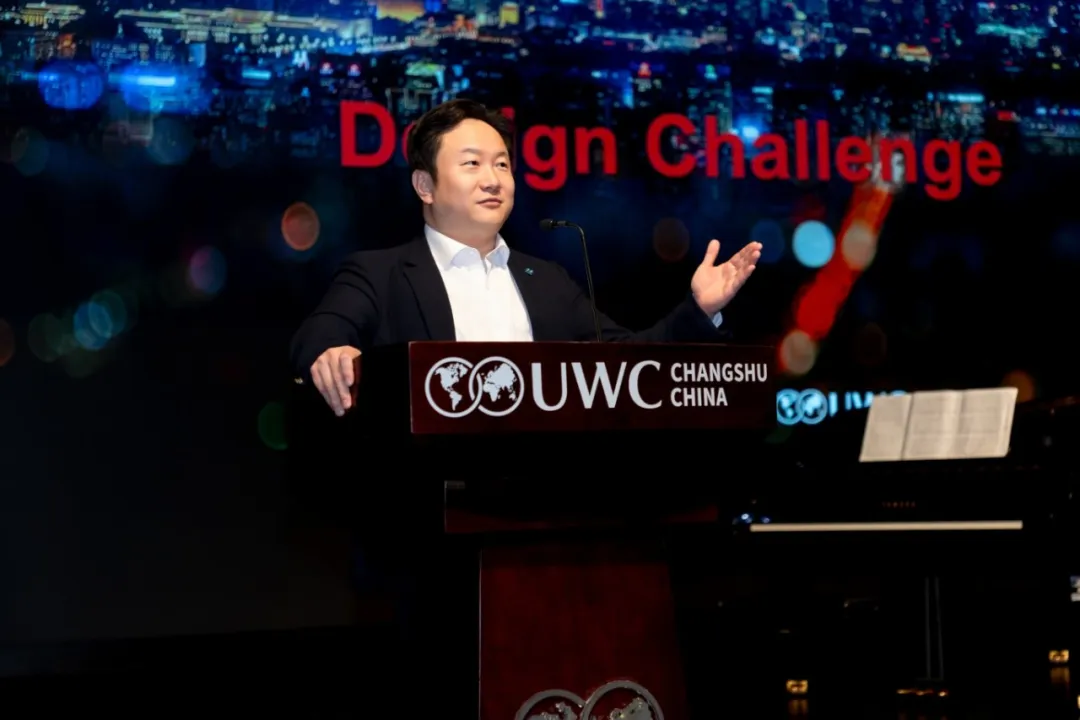
In his remarks, Dr Mark Jiapeng Wang reminded students that "all great ideas begin with something small" and described the competition as an important step towards larger ambitions. Reflecting on StarCharge's journey from a simple idea to a global energy innovator, he encouraged students to believe in the potential of their own ideas.
"We may not be a university," he said, "but your ideas will one day have a profound impact on the world. You are the future."
Dr Wang also thanked StarCharge for supporting youth innovation and expressed appreciation to the school's faculty and staff. Looking ahead, he said he hoped both organisations would continue to deepen collaboration between education, industry and innovation, helping the vision of a zero-carbon future take root in the minds of more young people.
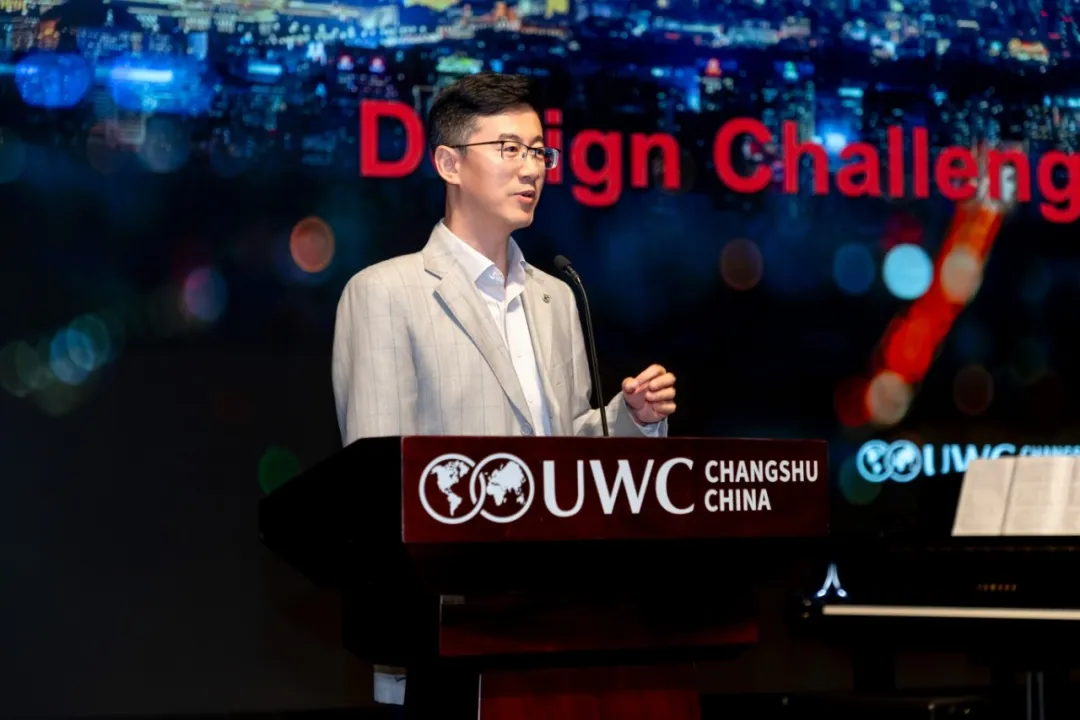
Drawing on more than two decades of experience in internet technology and software engineering, Di Wang reflected on the historic transformations reshaping transportation, energy and information technology. He encouraged students to embrace innovation and lifelong learning as they navigate a rapidly changing world, and reaffirmed StarCharge's commitment to helping the next generation turn bold ideas into practical solutions.

The competition gave students a platform to showcase their creativity and commitment to sustainability while demonstrating the value of collaboration between education and industry. Moving forward, UWC Changshu and StarCharge will continue working together to inspire young innovators and contribute to a greener, more peaceful and more sustainable future.
-End-